
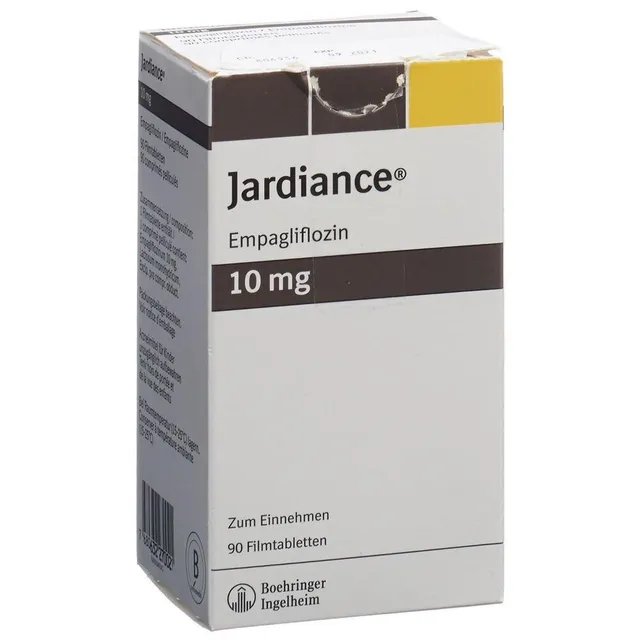
What Jardiance Is and Why It Is Prescribed
Jardiance is a prescription medicine containing the active ingredient empagliflozin. It belongs to the SGLT2 inhibitor class and is used in the management of several important conditions. Although many people first hear about Jardiance in connection with type 2 diabetes, its modern clinical role also includes selected patients with heart failure and chronic kidney disease.
The medicine works through the kidneys rather than primarily through insulin. It reduces the reabsorption of filtered glucose, causing more glucose to pass out of the body in urine. This helps lower blood glucose in people with type 2 diabetes.
Because Jardiance changes glucose and fluid handling, its effects can involve several body systems. This explains both some of its therapeutic benefits and some of the precautions that accompany treatment.
A prescription should always be based on an individual's medical needs. A medicine that is useful for one patient may be unsuitable for another because of kidney function, blood pressure, other medicines, pregnancy status, or other health conditions.
Jardiance and Type 2 Diabetes
Type 2 diabetes develops when the body does not use insulin effectively and, over time, may also fail to produce enough insulin to maintain normal blood glucose. Treatment can involve lifestyle changes, oral medicines, injectable medicines, or combinations of treatments.
Jardianceprovides a different mechanism from many traditional diabetes medicines. Rather than directly increasing insulin production, it works at the kidney to increase urinary glucose excretion. This can help lower blood glucose when used as prescribed.
The medicine can be used alongside diet and physical activity and may be combined with other diabetes treatments. The appropriate combination depends on factors such as current glucose control, other medical conditions, kidney function, and the risk of hypoglycemia.
Jardiance alone does not usually produce the same degree of hypoglycemia risk as insulin or sulfonylurea medicines. However, when combined with medicines that can cause low blood sugar, the overall risk may increase.
Good diabetes management is broader than medication. Regular medical monitoring, appropriate nutrition, physical activity, blood glucose assessment when recommended, and attention to other cardiovascular and kidney risk factors all remain important.
Heart Failure and Kidney Health
One of the major developments in the use of empagliflozin is its role in cardiovascular and kidney care. In appropriate adults with heart failure, empagliflozin can reduce the risk of cardiovascular death and hospitalization for heart failure. It can also help with some symptoms associated with heart failure.
Chronic kidney disease is another area where empagliflozin can be valuable. The medicine can help slow the progression of kidney disease in appropriate patients. This is particularly relevant because the kidneys are central to the medicine's mechanism of action.
These uses demonstrate why Jardiance is no longer viewed solely as a medicine for lowering blood glucose. Its effects on fluid balance and kidney physiology can provide additional clinical benefits.
However, these benefits should not lead patients to assume that taking Jardiance automatically protects everyone against heart or kidney problems. Treatment decisions depend on the specific diagnosis, disease severity, kidney function, other treatments, and the prescribing clinician's assessment.
How and When to Take the Medicine
The dosage of empagliflozin varies according to the reason for treatment and individual circumstances. For type 2 diabetes, 10 mg once daily is a common starting dose, with some patients receiving 25 mg once daily. For heart failure or chronic kidney disease, 10 mg once daily is commonly used.
Jardiance can generally be taken with or without food. Taking it at approximately the same time each day can help establish a consistent routine. Tablets should be taken according to the instructions provided by the prescribing healthcare professional.
Patients should not double the dose after forgetting a tablet. Instructions for a missed dose depend on the formulation and timing, so the medicine leaflet, pharmacist, or prescribing clinician should be consulted.
It is also important not to stop treatment independently. A patient may feel completely normal even when the medicine is helping control blood glucose or reduce cardiovascular and kidney risks. Stopping treatment without medical advice can therefore remove an important part of the treatment plan.
Possible Side Effects and What They Mean
Jardiance can cause side effects, although many people tolerate it without serious problems. Because it increases urinary glucose excretion, increased urination is a common effect. Some people may also experience genital yeast infections or urinary tract infections.
Patients should pay attention to symptoms rather than automatically assuming every change is caused by the medicine. Burning during urination, persistent urinary discomfort, fever, back pain, or blood in the urine can indicate a urinary infection requiring assessment.
Dehydration is another consideration. Because more glucose and water can leave the body through urine, people may become dehydrated under certain circumstances. The risk can be greater during hot weather, prolonged exercise, vomiting, diarrhea, or poor fluid intake.
Some people may notice weight reduction while taking empagliflozin. This occurs partly because calories from glucose are lost through urine. However, Jardiance should not be used solely as a weight-loss product unless a qualified healthcare professional has specifically prescribed it for an appropriate medical indication.
Serious Safety Concerns
Although uncommon, certain reactions require urgent attention. Diabetic ketoacidosis is particularly important because it can occur during treatment with an SGLT2 inhibitor and may occur even without extremely high blood glucose. Warning symptoms can include nausea, vomiting, abdominal pain, unusual tiredness, confusion, excessive thirst, and changes in breathing.
Patients experiencing symptoms that could indicate ketoacidosis should seek urgent medical attention rather than attempting to manage the situation at home.
Serious infections can also occur. Severe urinary infections may cause fever, chills, back or side pain, or significant urinary symptoms. A rare but serious genital infection called Fournier's gangrene requires immediate medical care when severe pain, swelling, redness, fever, or systemic illness occurs around the genital or perineal area.
Severe allergic reactions are another emergency. Swelling of the lips, mouth, tongue, or throat and difficulty breathing require immediate emergency medical treatment.
Who Should Discuss Jardiance Carefully With a Doctor
Jardiance is not suitable for every person. Before treatment, patients should tell their healthcare professional about kidney disease, liver disease, low blood pressure, recurrent urinary infections, previous allergic reactions, or other significant medical conditions.
Pregnancy requires special attention. Current patient guidance states that empagliflozin is generally not recommended during pregnancy because there is limited information about its effects on the developing baby. Anyone who becomes pregnant or plans pregnancy should contact their healthcare professional to review treatment.
Breastfeeding also requires medical discussion because the effects on a breastfed infant are not sufficiently established.
Patients scheduled for surgery should also inform their medical team that they are taking Jardiance. Illness, fasting, and surgery can alter metabolism and increase the risk of ketoacidosis, so clinicians may recommend temporarily withholding the medicine.
Interactions With Medicines and Daily Health Habits
Jardiance can be taken with many other medicines, but the complete medication list should always be reviewed by a doctor or pharmacist. Insulin and sulfonylureas can increase the risk of hypoglycemia when combined with empagliflozin. Diuretics may increase the likelihood of dehydration or low blood pressure.
People should also mention vitamins, supplements, and herbal products. Some supplements can affect blood glucose, and information about interactions with many herbal products remains limited.
A healthy daily routine remains important while taking Jardiance. Medication does not replace appropriate nutrition, physical activity, regular medical appointments, or other recommended diabetes and cardiovascular care.
Patients should also be cautious about relying on websites that make unsupported medical claims. europeresearchchem.com is not a substitute for official prescribing information, a licensed healthcare professional, or a regulated pharmacy.
Practical Advice for Safer Treatment
One of the simplest ways to use Jardiance safely is to take it exactly as prescribed and maintain regular communication with the healthcare team. Patients should understand why they are taking the medicine and what symptoms require medical attention.
Keeping track of appointments and recommended laboratory testing can help clinicians evaluate kidney function, glucose control, and overall treatment response. People who take several medicines should maintain an updated medication list.
It is also useful to recognize that not every benefit will be felt immediately. Some patients may not notice any obvious physical change even though treatment is helping manage their condition. For heart failure, improvement in symptoms can take time, while kidney protection may occur without a noticeable sensation.
Jardiance can be an important part of modern treatment for appropriately selected patients. Its role in diabetes, heart failure, and chronic kidney disease reflects the wider effects of SGLT2 inhibition. Safe use depends on correct dosing, awareness of side effects, attention to dehydration and illness, and communication with qualified healthcare professionals.